A small country with an impressive past
Montenegro may be one of the smallest countries in Europe, but behind the impressive mountains, the azure Adriatic Sea and the atmospheric coastal towns lies a history that goes back thousands of years. Over the centuries, various peoples, kingdoms and world powers have left their mark. This makes Montenegro today a unique destination where nature, culture and history come together in a special way.
Anyone traveling through Montenegro will soon discover that every city, every village and even every mountain area tells its own story. From centuries-old fortified towns on the coast to remote monasteries high in the mountains; Everywhere you feel the rich history that has shaped this country.
The country where East and West meet
Montenegro is located in a special geographical location. It has been the connection between Central Europe, the Balkans and the Mediterranean for centuries. This created a unique mix of cultures that you still see everywhere today.
On the coast you will find influences from Italy and Venice, while inland Ottoman traditions have been visible for centuries. Slavic customs, Orthodox monasteries, Catholic churches and Islamic influences have coexisted here for generations. It is precisely this combination that makes Montenegro so special.
Wherever you go, you discover something different. The architecture changes per region, the dishes differ from city to city and even the local traditions each have their own character.
The first inhabitants
Long before Montenegro existed as we know it today, the area was already inhabited by the Illyrians. This people lived here centuries before our era and settled along the coast and in the mountains. Later the Romans took over the area and built roads, settlements and trade routes that connected Montenegro to the rest of the Roman Empire.
After the fall of the Roman Empire, Slavic tribes settled in the area. They ultimately formed the basis of the population that Montenegro knows today.
The power of Venice
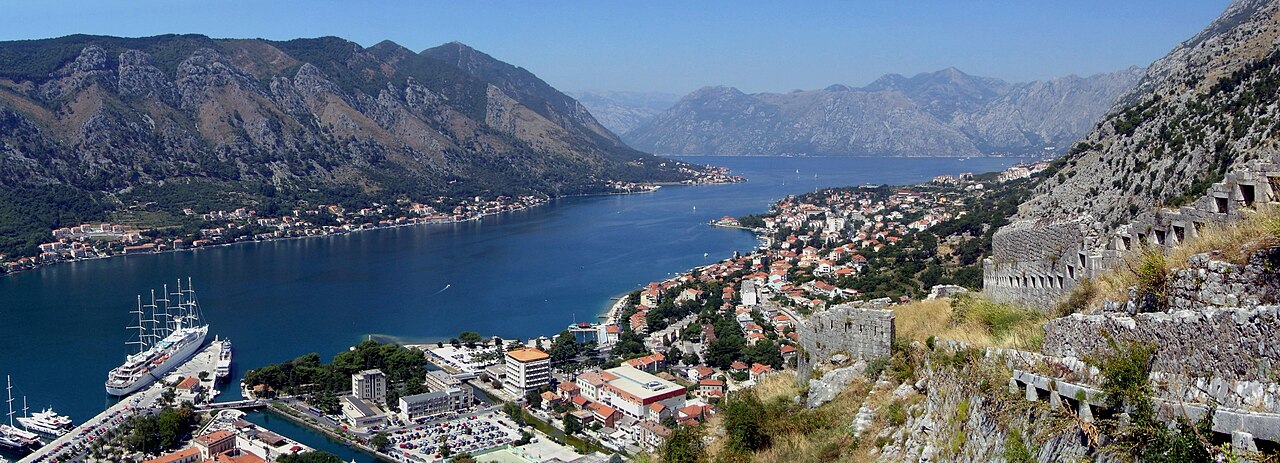
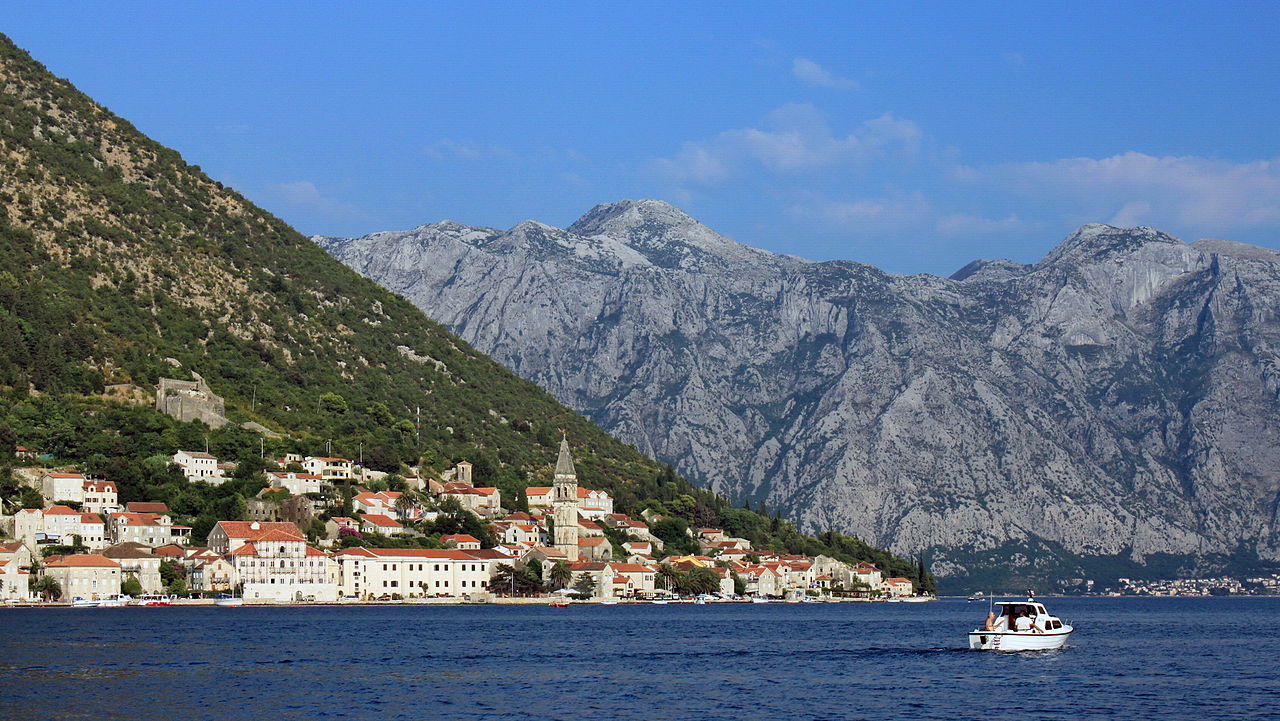
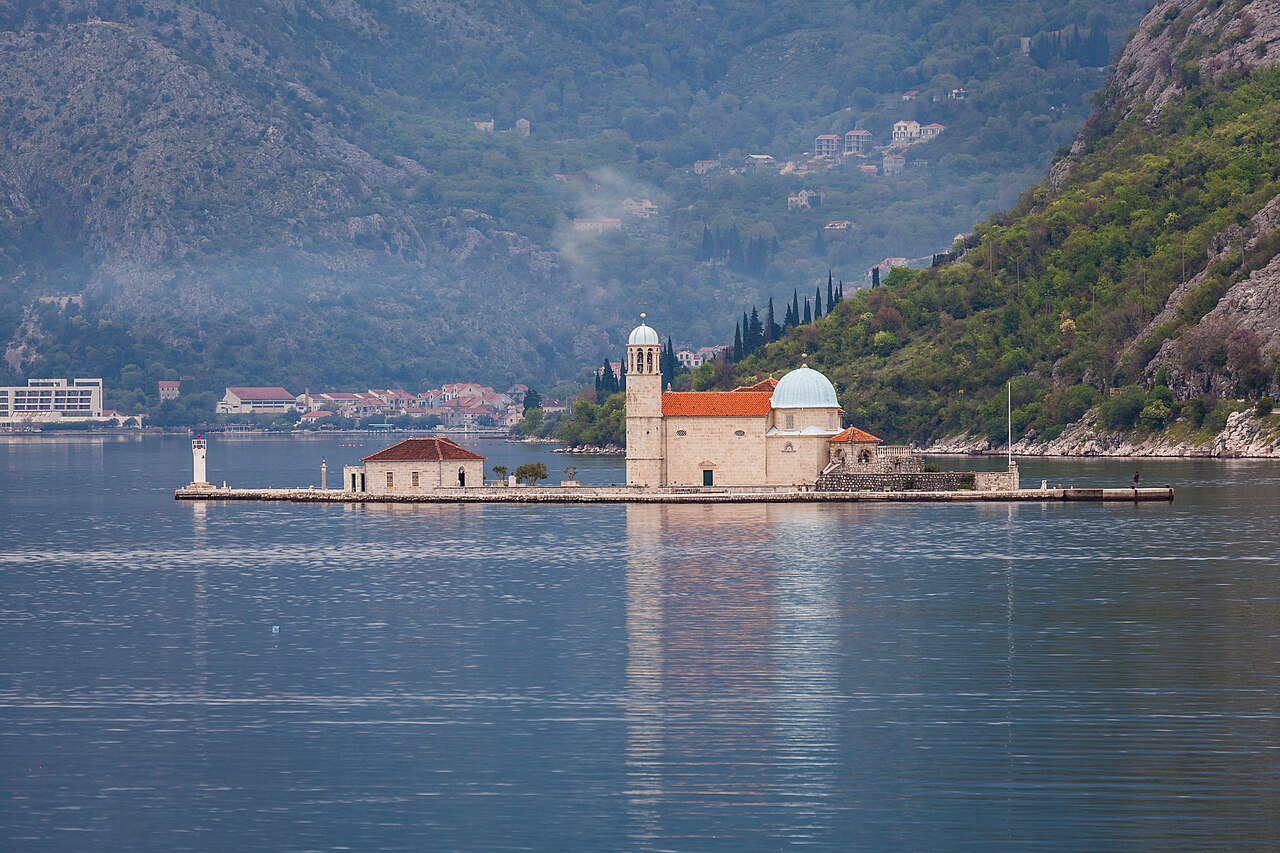
Anyone who walks through Kotor, Budva or Perast today sometimes feels like they are in Italy. That's no coincidence. For centuries, much of the Montenegrin coast was under the influence of the Republic of Venice.
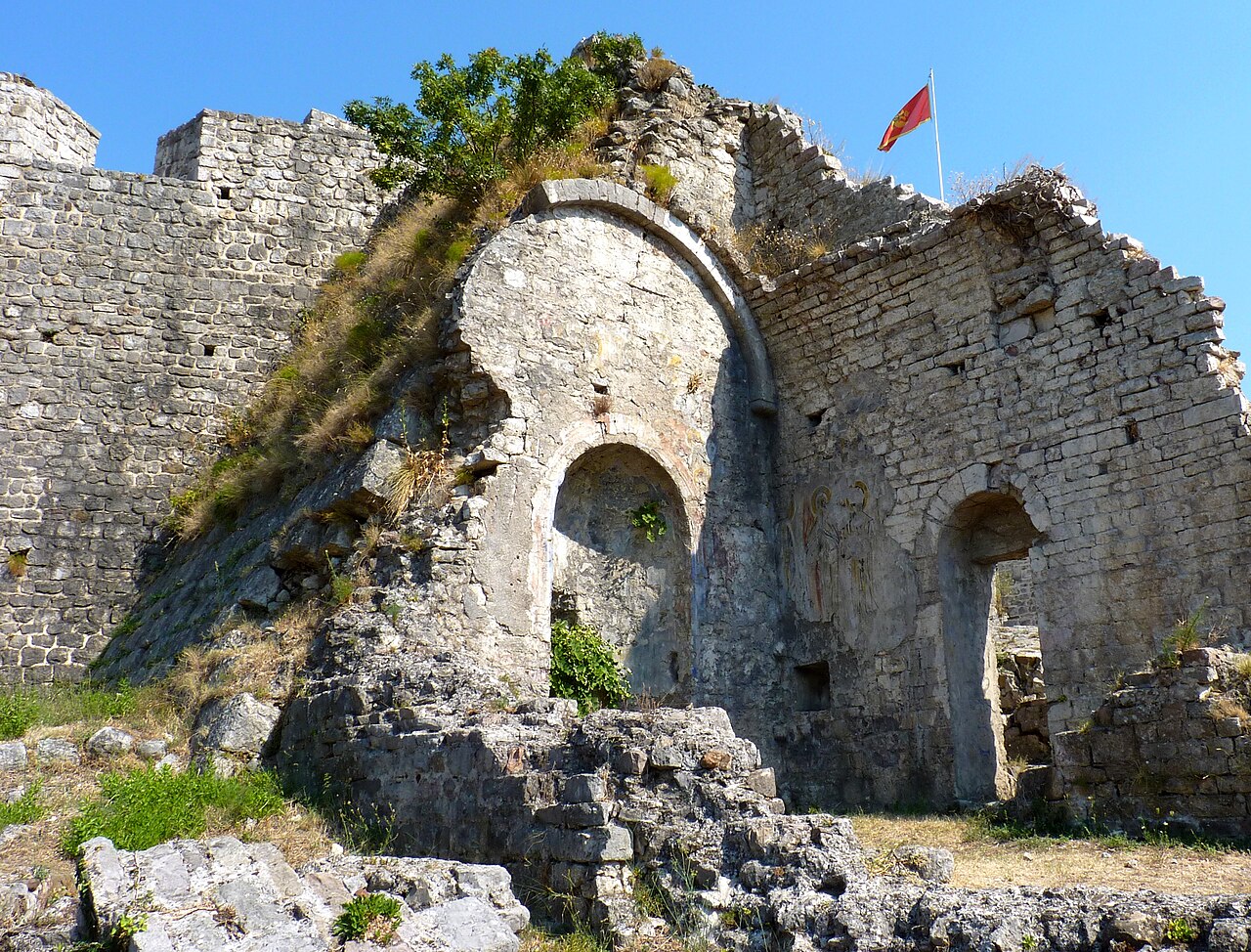
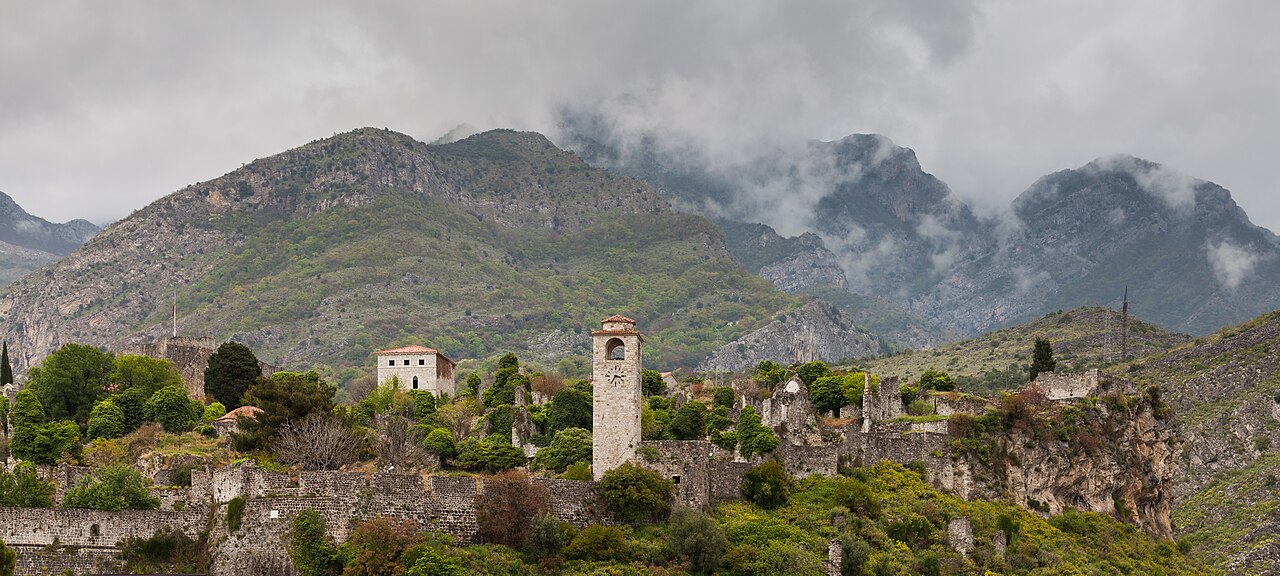
The Venetians built impressive city walls, churches, squares and defenses to protect the coast against attacks from the sea. These historic cities are still among the best preserved medieval places in Europe.
Narrow alleys, natural stone houses, attractive squares and old city gates give these coastal towns their unique character. Especially during a walk through the old town of Kotor or Budva, it seems as if time has stood still for hundreds of years.
The mountains brought freedom
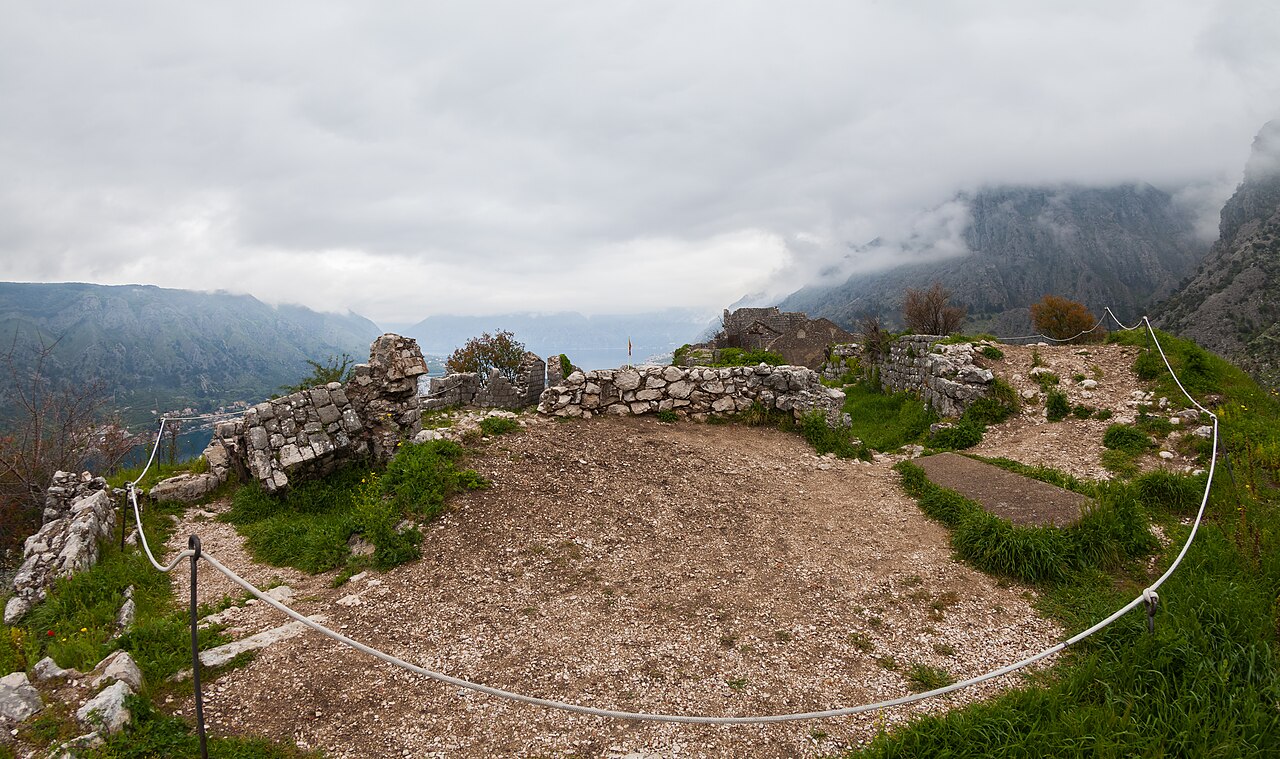
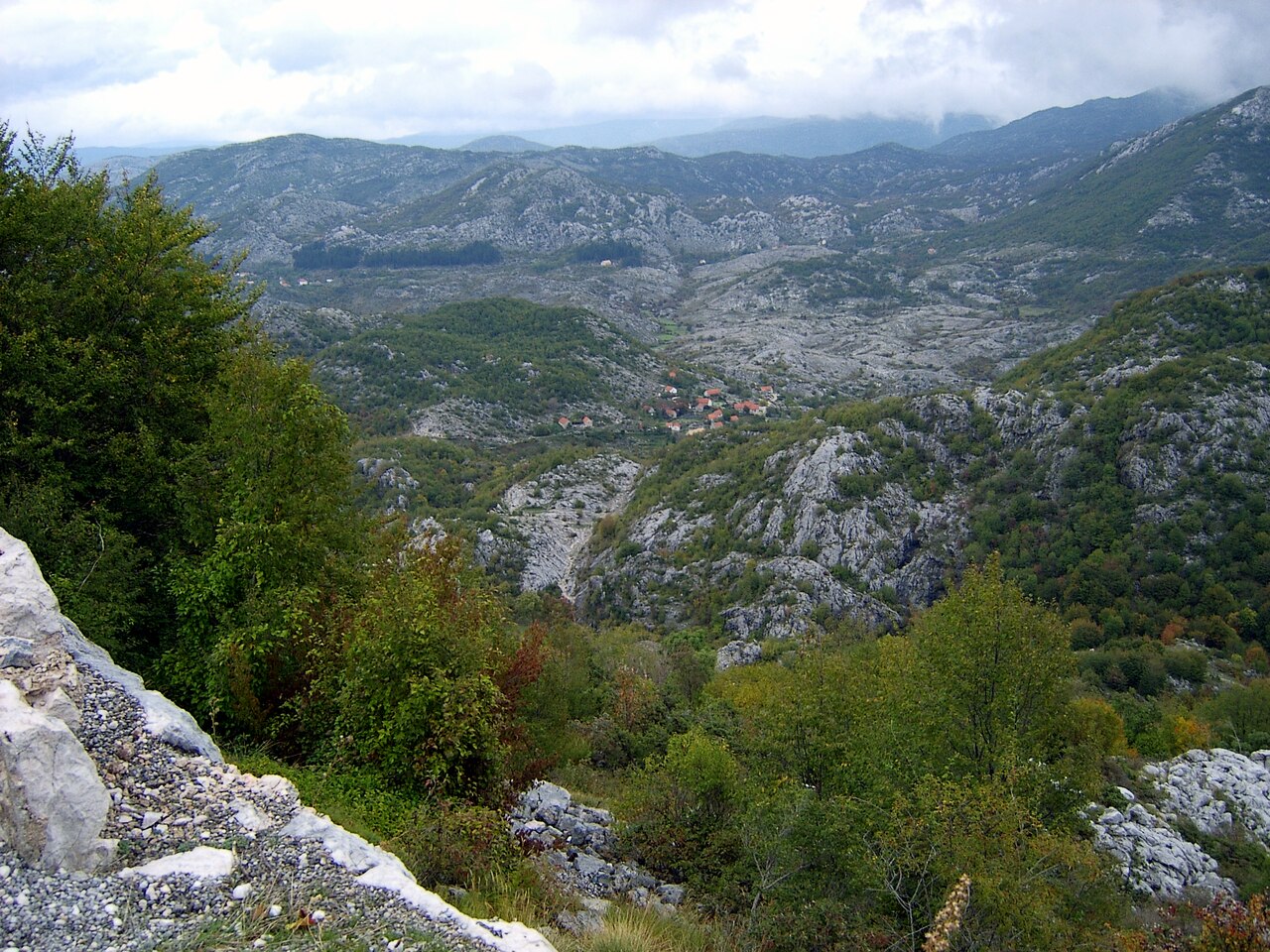
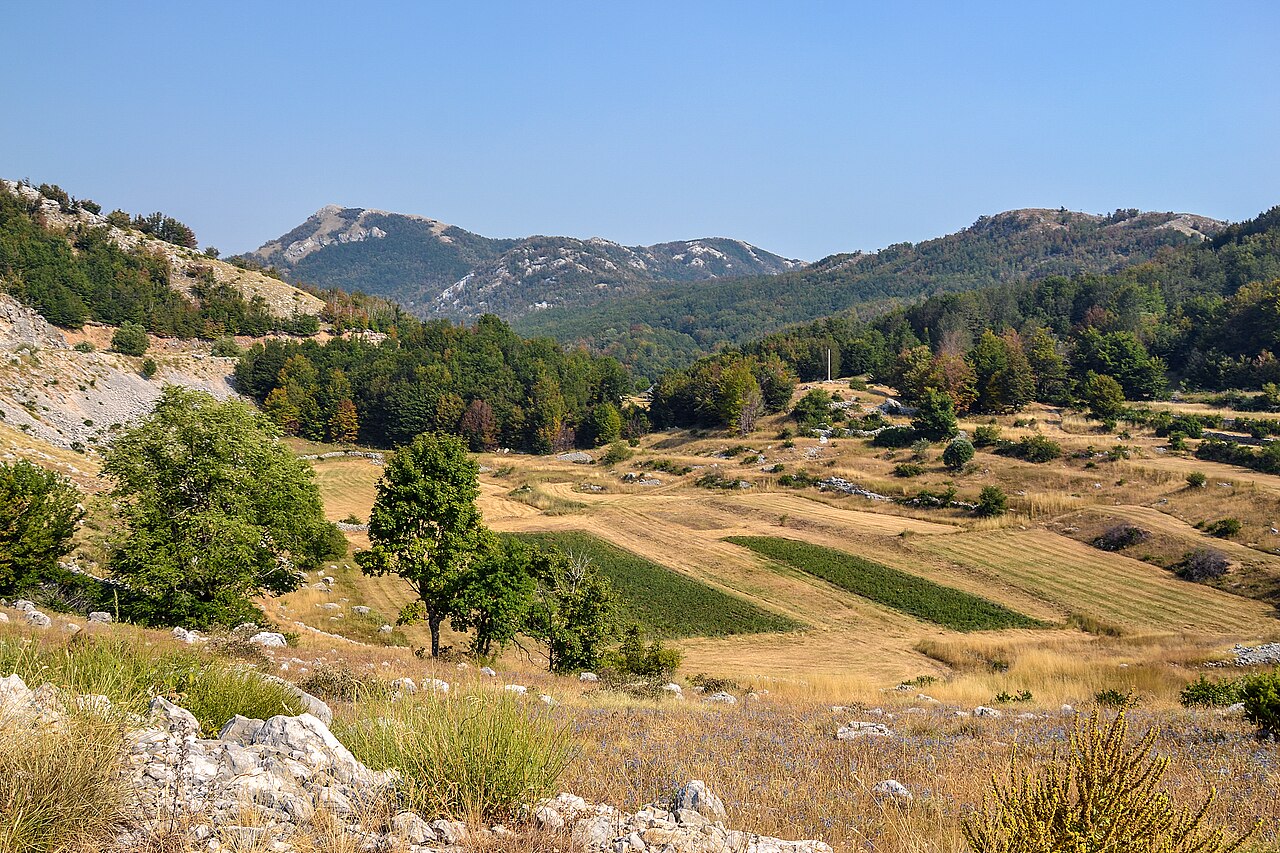
While the coast was regularly controlled by foreign powers, the interior remained largely independent. The rugged mountains of Montenegro were difficult to access and offered protection to the population.
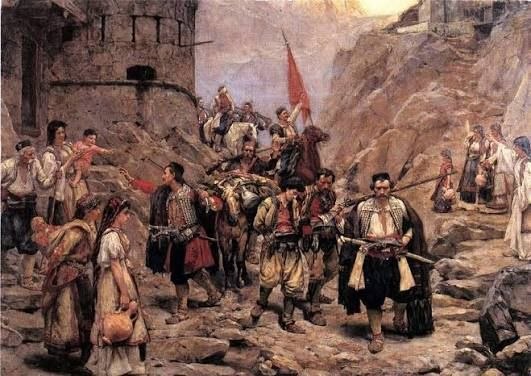
Precisely because of this, a strong culture of freedom, independence and pride developed. For centuries, Montenegrins managed to maintain their own identity, despite the many conflicts in the region.
Hospitality, family ties, respect for traditions and pride in one's own country are still an important part of Montenegrin culture.
Ottoman influences
From the fifteenth century, the Ottoman Empire also expanded its influence over parts of Montenegro. Traces of this can still be found, especially in the south and inland.
You see this in old bridges, markets, mosques and traditional dishes. The Balkans are known for their culinary diversity and Montenegro is no exception. Dishes with grilled meat, fresh bread, filled pastry dishes and fragrant herbs are still reminiscent of this period.
A country full of religious diversity
Montenegro is a country where different religions have lived side by side for centuries.
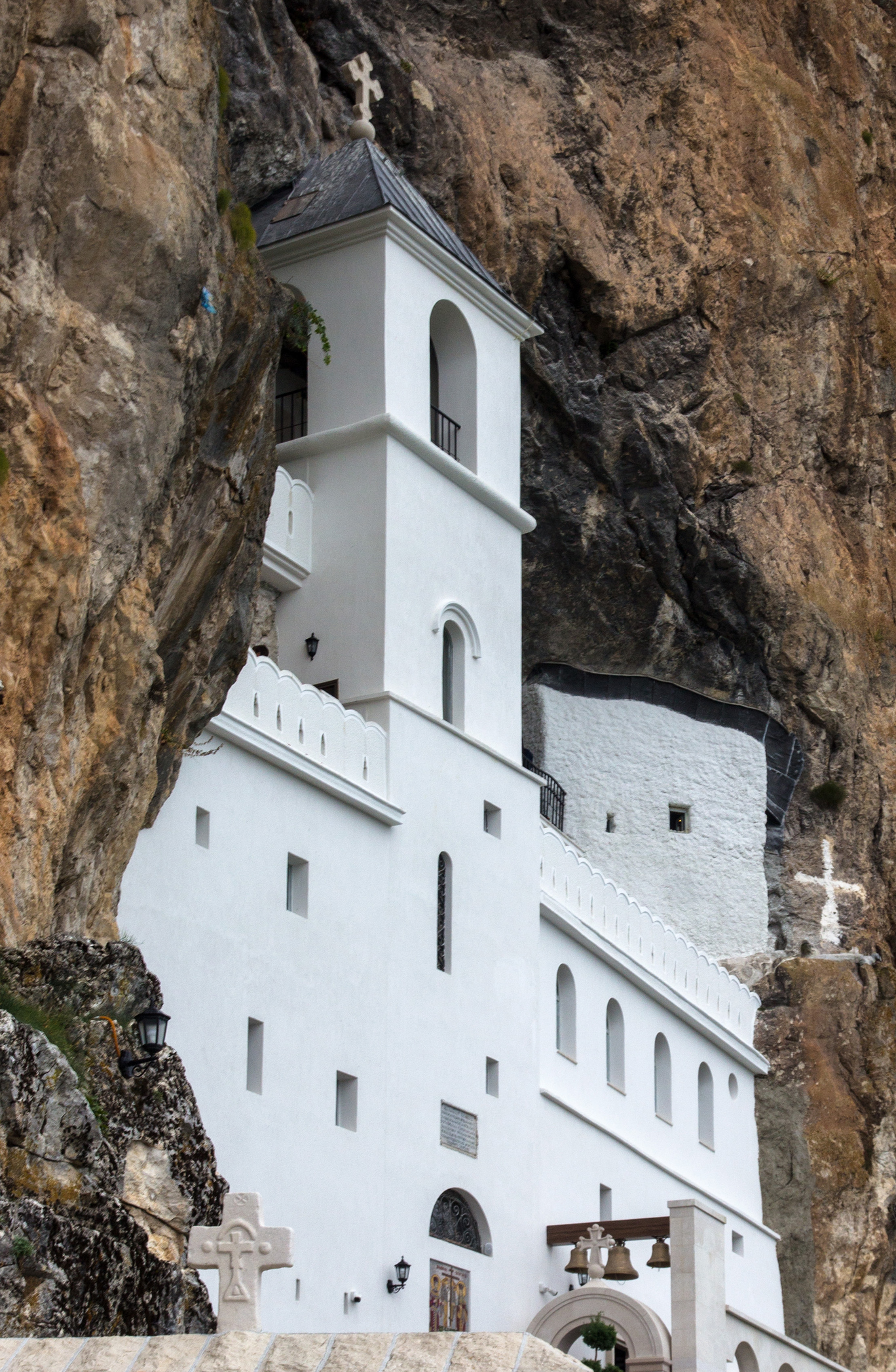
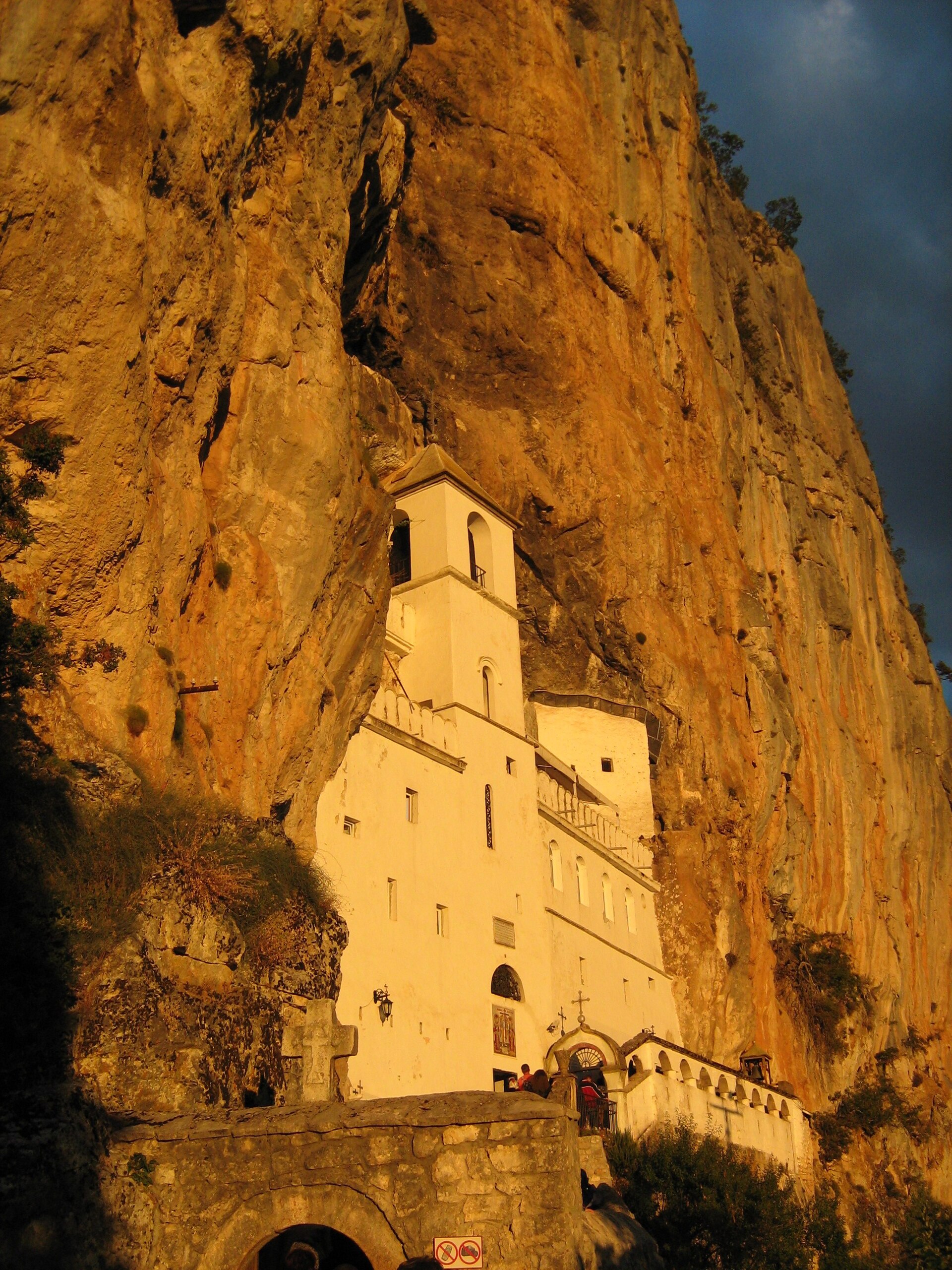
Most of the population belongs to the Serbian Orthodox Church, but there are also Catholic churches along the coast and Muslim communities, especially in the south of the country. One of the most famous religious sights is the Ostrog Monastery. This impressive monastery is literally built into a steep rock face and attracts hundreds of thousands of pilgrims and visitors from all over the world every year.
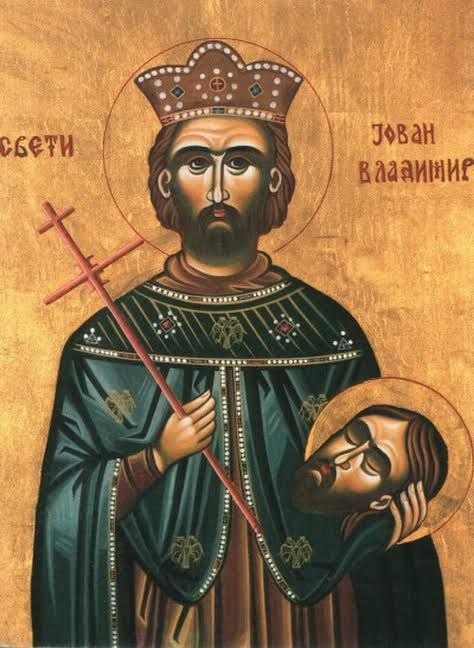
The many small churches, monasteries and historic chapels also show how important faith has always been within Montenegrin society.
From kingdom to independence
In the nineteenth century Montenegro grew into a recognized kingdom. After several wars and political changes, it later became part of Yugoslavia.
After the collapse of Yugoslavia, Montenegro formed a state union together with Serbia for some time. Ultimately, the population opted for full independence during a referendum in 2006.
Since then, Montenegro has been developing rapidly. Modern apartments, luxury marinas, new roads and tourist facilities go hand in hand with centuries-old culture and impressive nature.
It is precisely this balance between old and new that makes Montenegro so attractive to visitors.
Culture that you experience everywhere
Culture in Montenegro is not only found in museums or old buildings. You experience it every day.
At the markets, local farmers sell their own olive oil, honey, wine and cheeses. In the restaurants you can taste traditional dishes that have been prepared for generations. On warm summer evenings, music, festivals and cozy terraces fill the historic squares.
The population is known for its hospitality. It is very normal for you to be greeted in a friendly manner or for a restaurateur to take the time to explain a local dish.
It is precisely this relaxed and warm atmosphere that makes many visitors feel immediately at home here.
A country that continues to surprise
Montenegro is not a destination you can get to know in one day. Behind every mountain pass lies a new view, behind every city gate lies a different story and every region has its own character.
From Venetian coastal towns to Orthodox monasteries, from rugged mountain landscapes to lively beaches; Nowhere in Europe will you find so much variety in such a small area.
Anyone who visits Montenegro will not only discover a beautiful holiday destination, but also a history spanning thousands of years that is still visible everywhere today.